
Welcome to the University of Houston Foresight Program, the world's longest running foresight program.
WHAT IS FORESIGHT?
Foresight is the study of change that uses a systematic methodology to explore the future in order to make better decisions today by helping us move us toward the futures we want and avoid those we don’t, and to ultimately build confidence in the future by building our capacity to avoid surprise! — Andy Hines
Exploring the future to anticipate and prepare for change
Futurists explore the future, just as historians study the past. Whereas history is concerned with origins, roots, and where we have been, foresight is about goals, purposes, and where we are going–and how we get there. A futurist helps clients expand their typically narrower focus on the future to a broader range of possibilities. They forecast the future, not just to know the future as an abstract description, but rather to prepare for it as a concrete reality. The objective is not just to know what will happen, but to be ready for whatever does happen. The purpose is not necessarily to be exactly right (which is impossible), but rather not to be wrong–that is, not to be surprised. Surprise means inadequate preparation, late response, higher risk of failure, even chaos or panic. Thus, preparing for the full range of plausible futures is the objective of foresight.
Because foresight is multidisciplinary, some futurists seek to build special domain expertise — that is, they may become experts in the future of a topic such as energy, law, education, etc. Others prefer to be generalists, ranging across a variety of topics. They become skilled in getting up-to-speed quickly in a particular topic area, and then apply foresight tools and techniques to study its future. Along these lines, some futurists tend to specialize in a particular method or methods, while others have a wide variety of tools they like to draw from.
Functions
Approaches

OUR WORK
We believe that hands-on learning is best. The curriculum is project-based and 2nd year students will typically have opportunities to work on real paid client projects or work as futurists on client internships, We put a strong emphasis on student’s being able to produce client-ready work. Assignments are routinely crafted with “clients” in mind. We have some amazing client partners (below).






















Recent Blog Entries
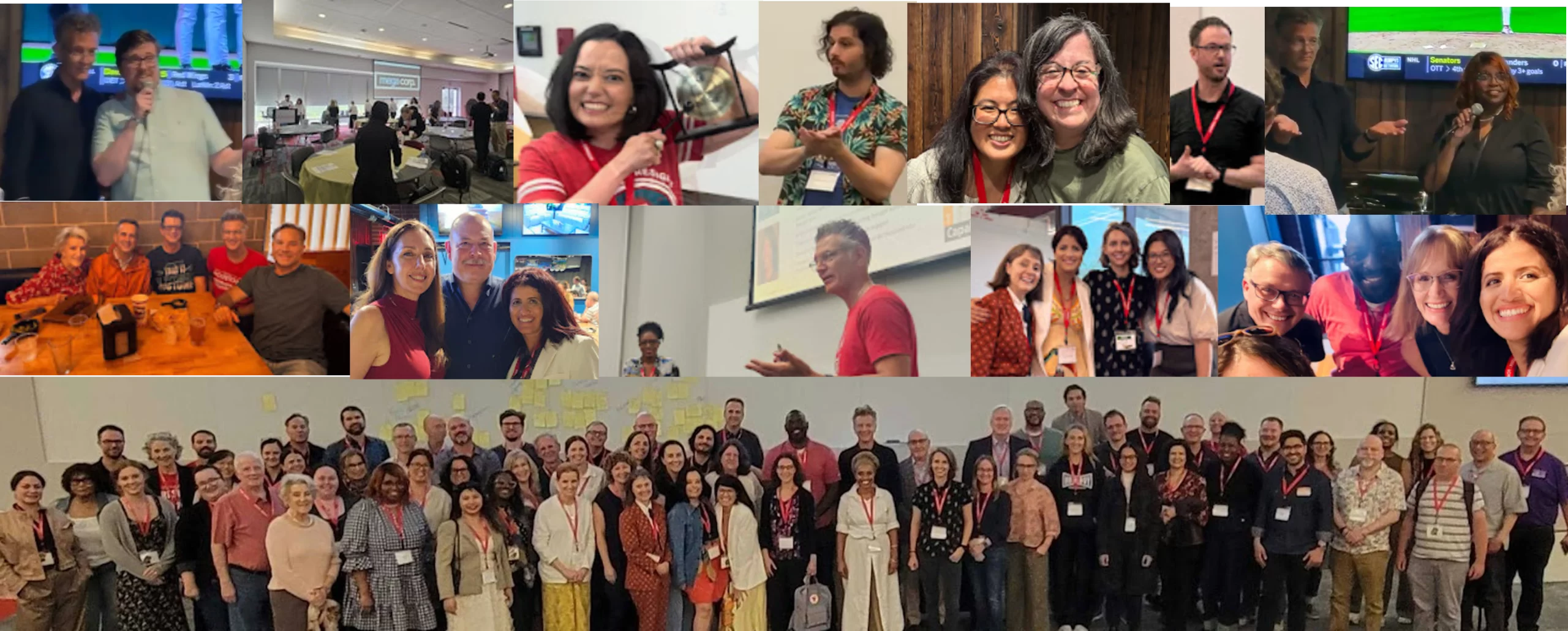
Houston Foresight “Transformation” @ Spring Gathering 2026
About a hundred students, alumni, and friends of the University of Houston Foresight program gathered for this year’s event on all [...]

How AI Is Augmenting Cities and What It Means for Houston
Guest Contributor: Lynn Chorn Part 1 of 2 Around the world, cities are using AI to be more responsive, more predictive, [...]
Upcoming Events
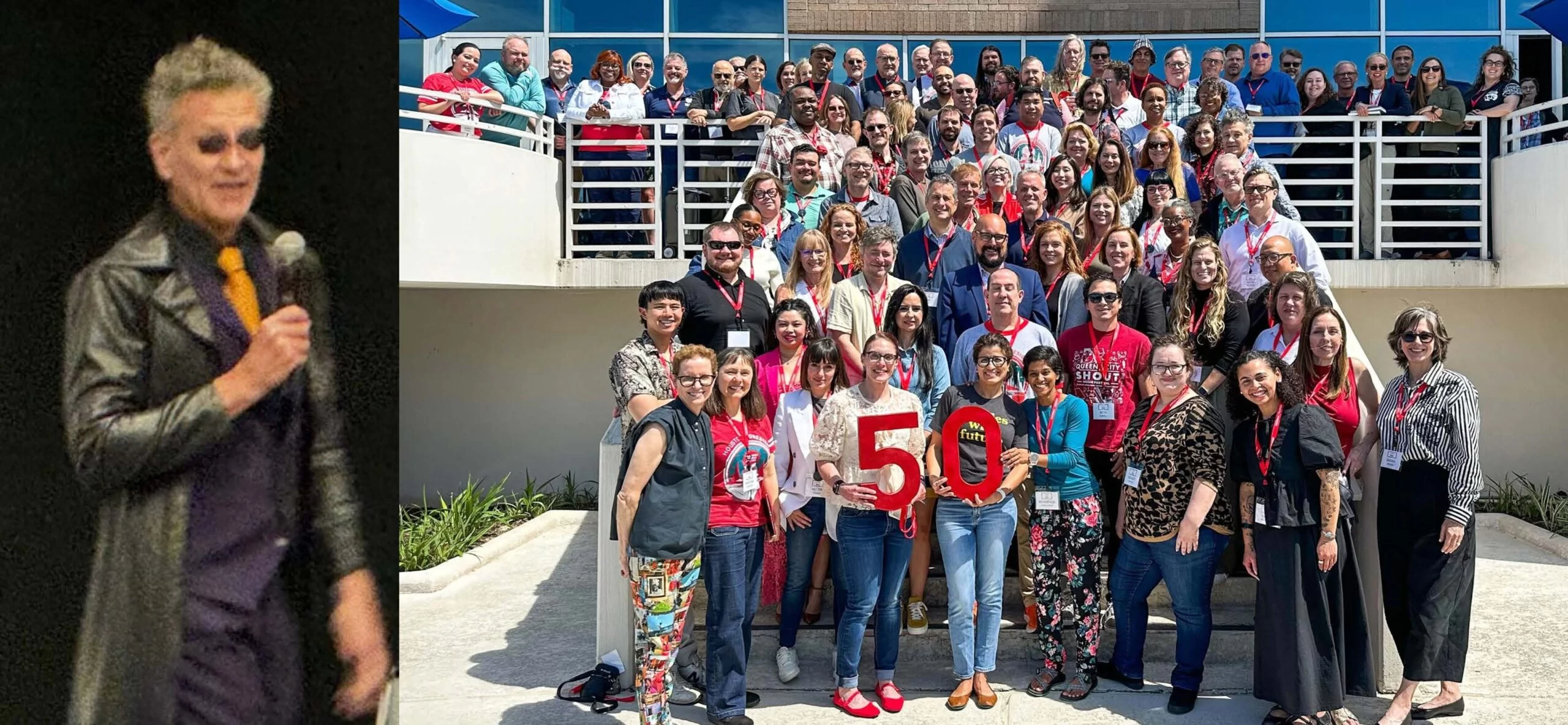
Houston Foresight Turns 50
"We are still here," cried special guest Morpheus at the [...]